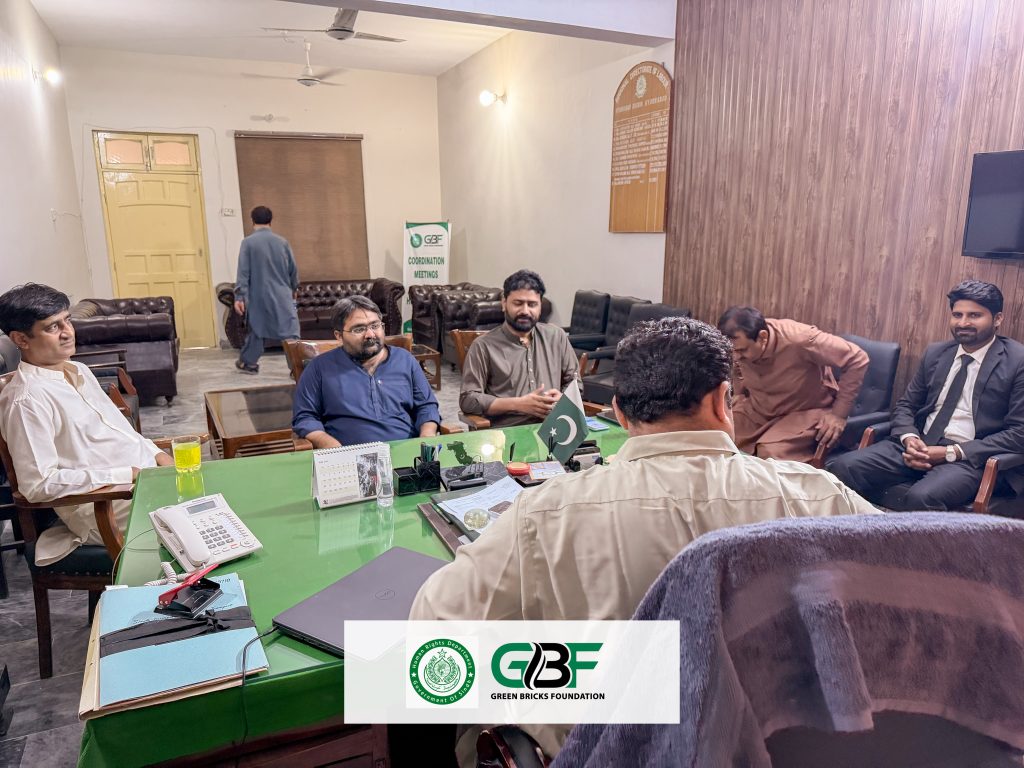
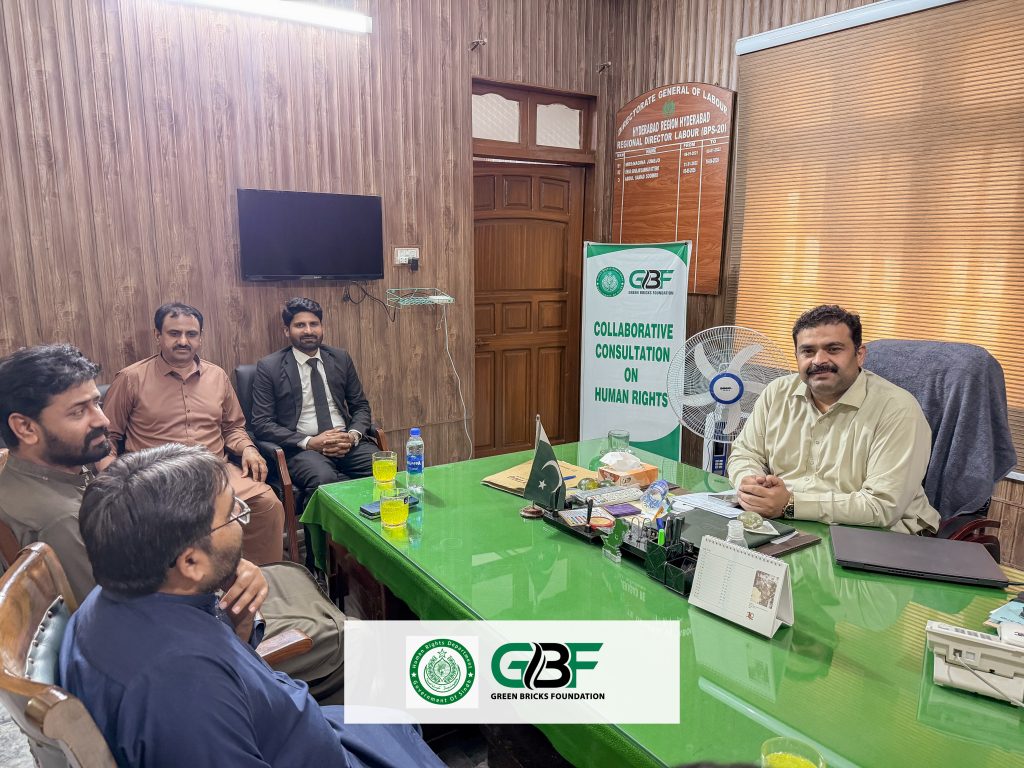
The Collaborative Consultation on Human Rights successfully provided an inclusive platform for dialogue, knowledge sharing, and partnership building among Government Departments, Academic Institutions, Civil Society Organizations, Development Partners, and other stakeholders committed to promoting and protecting human rights in Sindh, particularly in the brick kiln sector. The valuable contributions of Mr. Abdul Samad Soomro and Dr. Muhammad Ismail Kumbhar greatly enriched the consultation. Their presentations provided practical insights into institutional coordination, labour rights, child rights, community participation, research, policy implementation, and evidence-based decision-making. They emphasized the importance of stronger collaboration among Government Institutions, Academia, Civil Society Organizations, employers, and local communities to effectively address the complex human rights challenges facing the brick kiln sector. The consultation reaffirmed that protecting and promoting human rights in the brick kiln sector requires strong institutional coordination, active stakeholder participation, and sustained collaboration at all levels. The participants stressed the need to eliminate bonded labour, child labour, human trafficking, and all forms of forced labour while ensuring safe and healthy working conditions, fair wages, social protection, occupational health and safety, environmental sustainability, access to education, healthcare, clean drinking water, sanitation, and justice for brick kiln workers and their families. The consultation also emphasized the importance of strengthening the enforcement of labour and human rights laws, improving institutional accountability, promoting evidence-based policies, and encouraging continuous coordination among all stakeholders. The recommendations developed through the consultation will help strengthen the institutional capacity of the Human Rights Department, Government of Sindh, and support the development of a more inclusive, transparent, accountable, and rights-based governance system. These collective efforts will contribute to protecting the dignity, rights, safety, and well-being of brick kiln workers and their families while promoting sustainable and environmentally responsible development across Sindh.
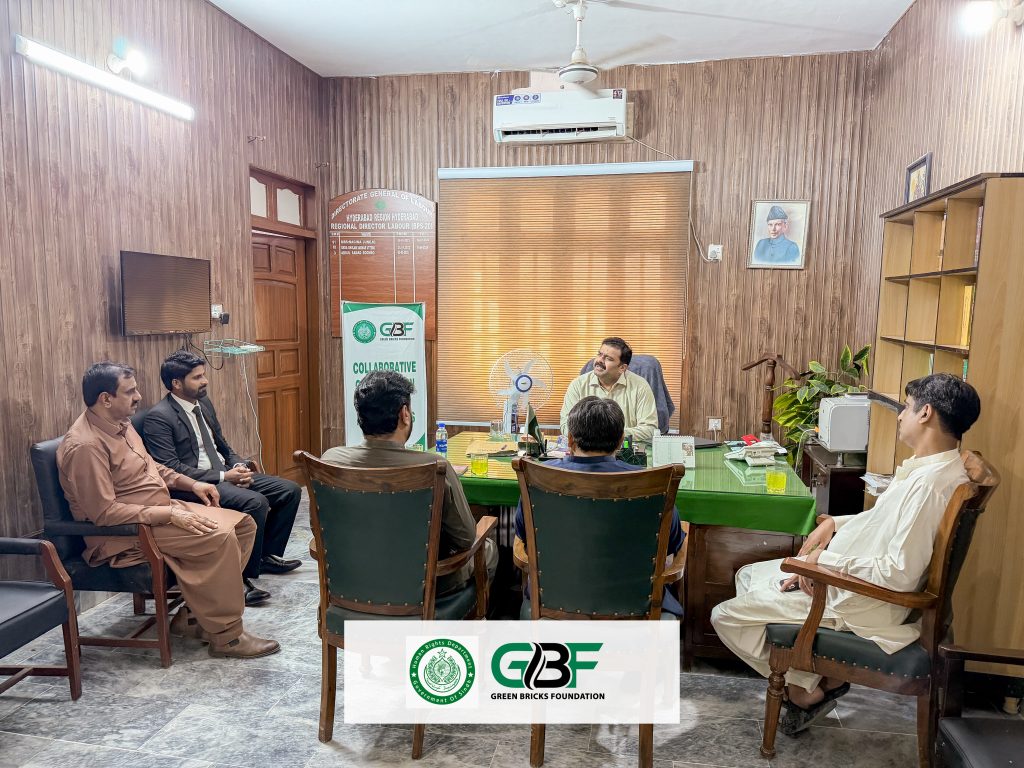
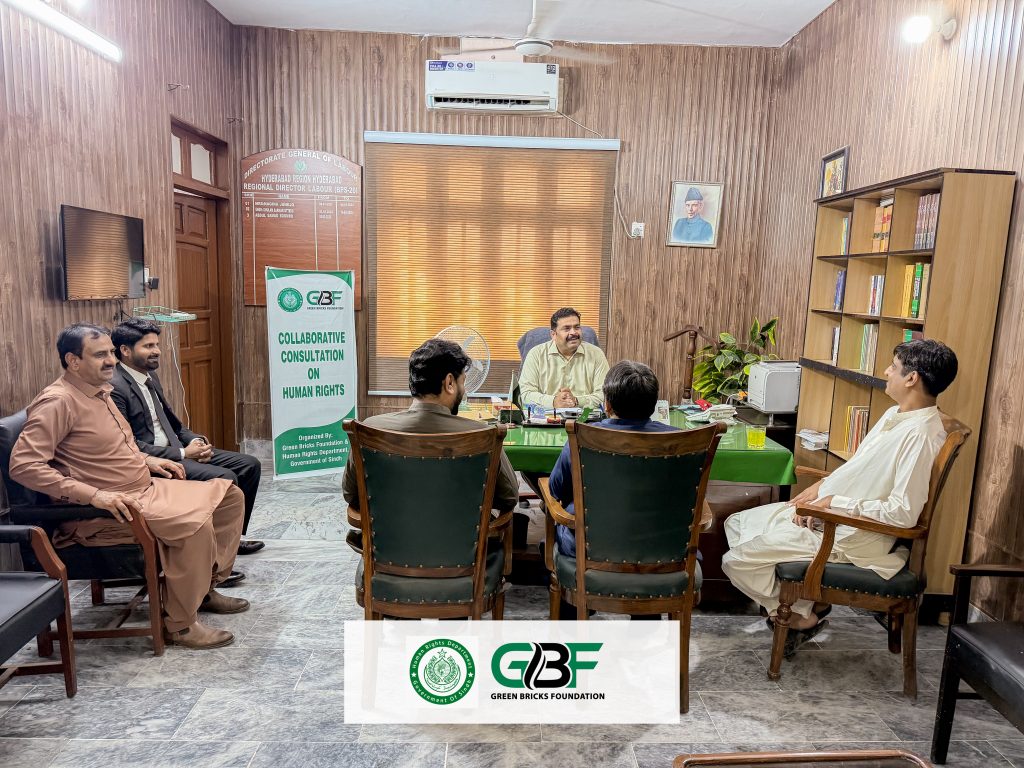
The consultation achieved several important outcomes that support the overall objectives of the Institutional Strengthening of Human Rights Department 2025–26 Project. The consultation improved communication, coordination, and networking among Government Departments, Academic Institutions, Civil Society Organizations, and Development Partners. It created a strong foundation for continued collaboration to promote and protect human rights, particularly in the brick kiln sector. Through expert presentations, interactive discussions, and the sharing of practical experiences, participants gained a better understanding of human rights issues affecting brick kiln workers. These included labour rights, child rights, bonded labour, human trafficking, occupational health and safety, environmental protection, policy implementation, and the responsibilities of different institutions. The consultation strengthened the commitment of stakeholders to work together through joint planning, coordinated advocacy, and collaborative implementation of human rights and child rights programmes across Sindh. The participants agreed that strong partnerships are essential for achieving sustainable and long-term improvements. The participants identified several priority areas that require coordinated action, including the protection of labour rights in the brick kiln sector, elimination of bonded labour, child labour, and human trafficking, improvement of occupational health and safety, increased awareness among brick kiln communities, better data collection and research, environmental sustainability, and improved access to justice and essential social services for vulnerable communities. The consultation provided valuable opportunities for professional networking, knowledge sharing, and the exchange of experiences among participating institutions. It also encouraged the development of future partnerships and collaborative initiatives to strengthen human rights governance and improve the living and working conditions of brick kiln workers and their families across Sindh.
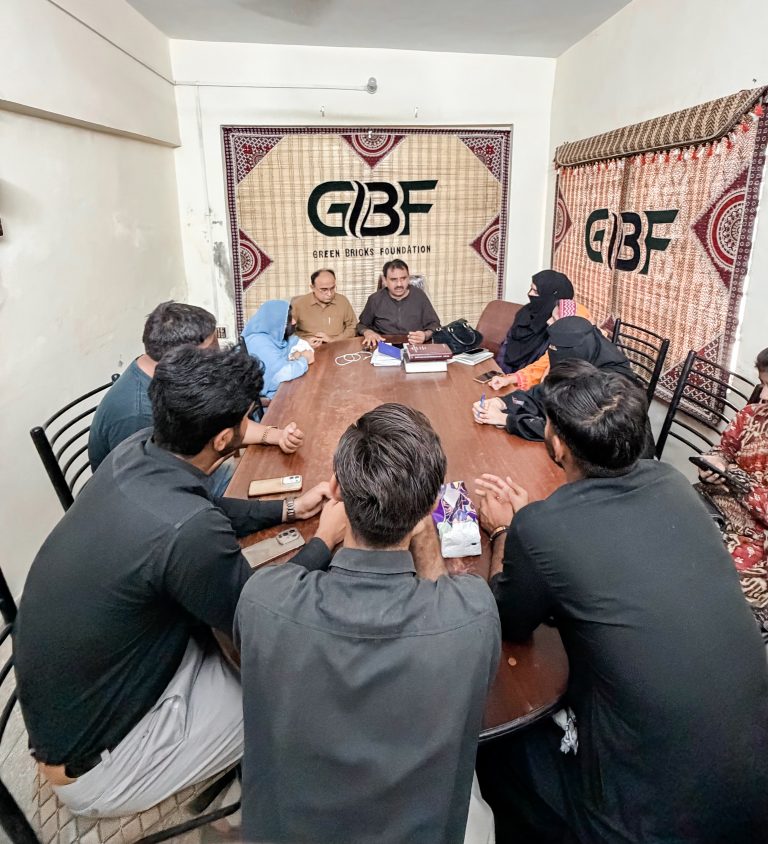
Trainings on Survery and Research
Participants were given awareness on practical challenges affecting referral and reporting systems. The training highlighted: • Weak implementation of labour and human rights laws. • Inactive District Vigilance Committees (DVCs). • Limited coordination among institutions. • Unviability of Child Right Desks • Weak referral pathways. • Under-reporting of human rights violations. • Lack of standardized reporting procedures. • Limited awareness among workers regarding available services. • Poor documentation of bonded labour cases. • Delays in institutional response. • Limited access to legal aid and rehabilitation services. • Insufficient monitoring and follow-up of referred cases.


The training was organized in response to the findings of the regional fact-finding survey conducted across the Hyderabad Region. The survey identified several important gaps in the existing system for identifying, reporting, referring, documenting, and following up on human rights violations affecting brick kiln workers and their families. It revealed that many cases remain unreported or are not referred to the appropriate government departments due to limited awareness, weak coordination, and the absence of a clear referral mechanism. As a result, many vulnerable individuals and kiln workers do not receive the protection and services they urgently needed.
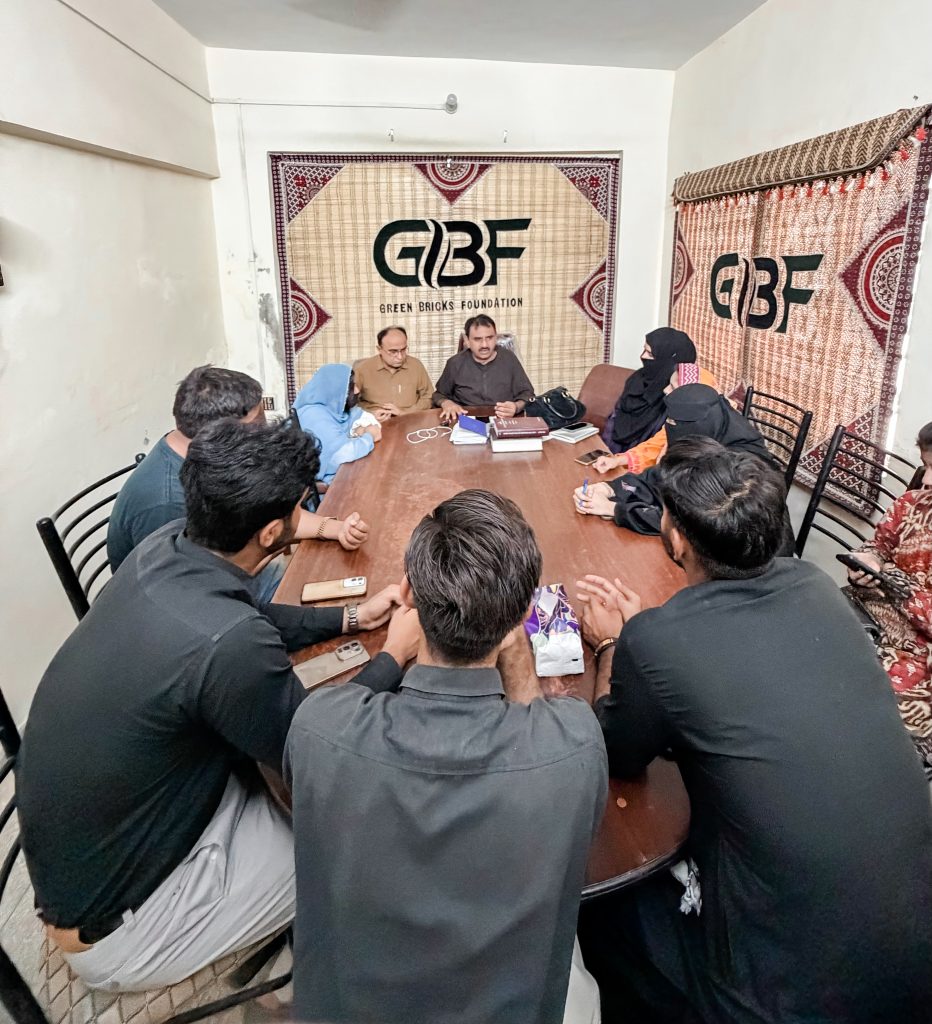

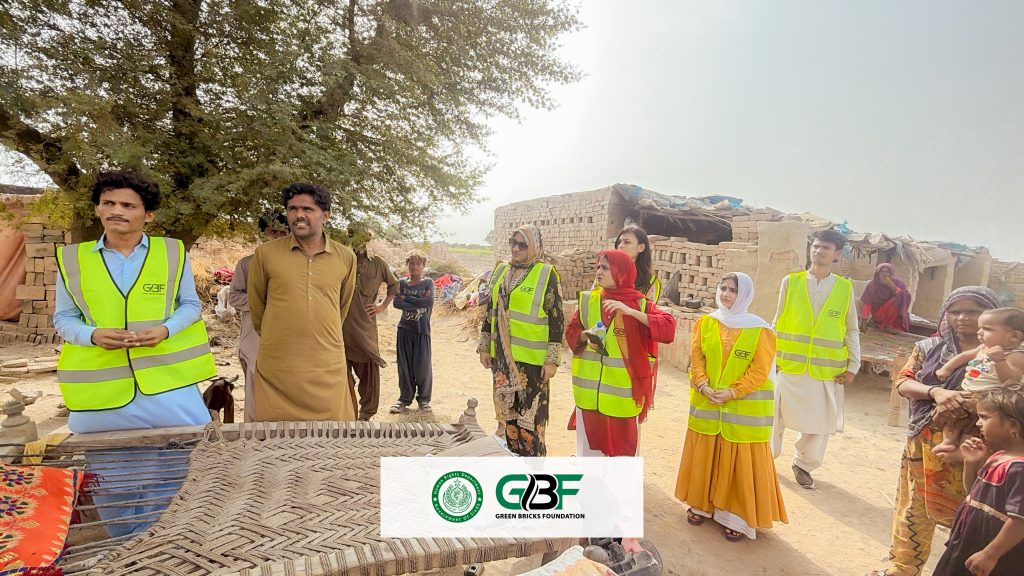
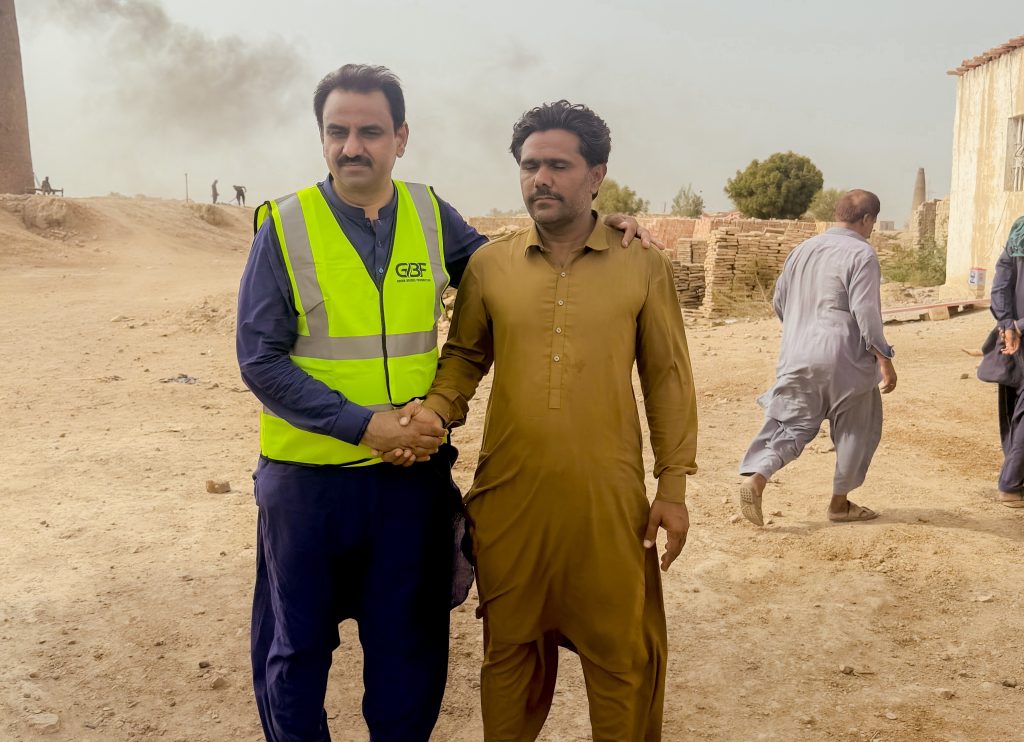
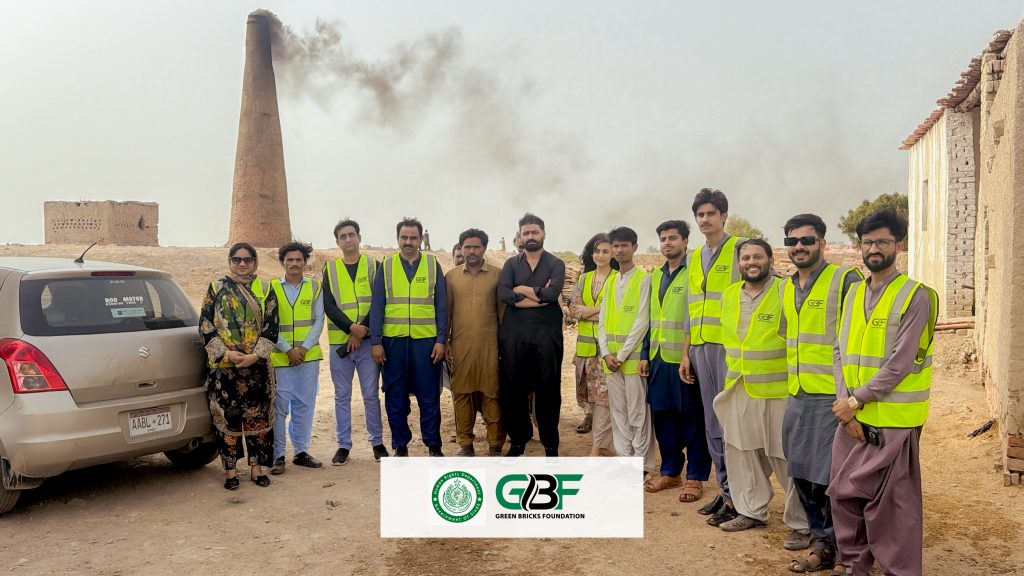
Visits of Brick Kilns for Survey and Research
The participants discussed how these violations are often interconnected and sometimes rarely occur in isolation. It was highlighted that bonded labour frequently leads to child labour, labour exploitation, restricted freedom of movement, limited access to education and healthcare, and continued poverty across generations. The discussions also emphasized that weak enforcement of labour laws, inadequate institutional coordination, and low public awareness further contribute to the continuation of these violations. Special attention was given to the impact of human rights violations on women, children, persons with disabilities, and other marginalized and vulnerable communities. The participants examined how these groups are more likely to face discrimination, violence, exploitation, unequal access to services, and limited opportunities for education, healthcare, and decent employment. The the trainers stressed the importance of adopting a rights-based, gender-sensitive, and child-friendly approach while identifying and responding to such cases.